
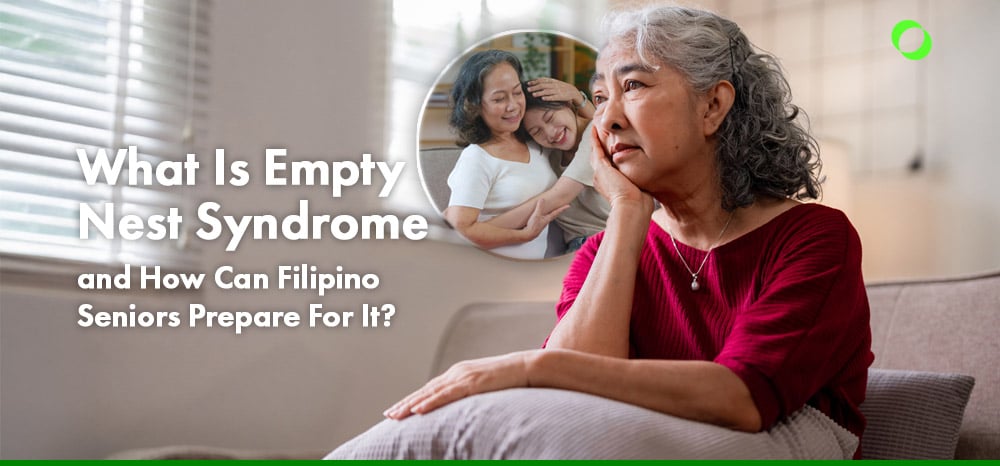
When children grow up and start lives of their own, many parents feel a mix of pride and quiet sadness.
For Filipino seniors, this transition can be emotional because family life is often deeply intertwined with daily routines, purpose, and identity.
Understanding Empty Nest Syndrome
Empty Nest Syndrome is not a medical condition, but it is a very real emotional experience that affects senior wellness.
Understanding what it is and why it happens can help Filipino parents prepare for this stage with more clarity and self-compassion.
What Is Empty Nest Syndrome?
So what is empty nest syndrome?
It refers to the emotional adjustment parents experience when their children leave home.
This can happen when children move out for work or marriage, migrate abroad as OFWs, or become fully independent.
Common feelings include:
- Sadness or grief over daily separation
- Loneliness in seniors due to quieter homes and routines
- A sense of lost purpose after years of active caregiving
- Anxiety about children’s safety, finances, or future
These emotions may develop slowly or appear suddenly, especially for parents after children move out following many years of hands-on parenting.

Why Empty Nest Syndrome Is Common Among Filipino Parents
In Filipino culture, daily life is tightly knit and built on strong family ties.
Parents are often involved in their children’s daily decisions well into adulthood, from meals and finances to childcare and household responsibilities.
Many Filipino parents also define a large part of their identity through caregiving and providing for the family.
When children move out or work abroad, the shift can feel like more than just physical distance.
It can feel like losing a part of your role in the family.
For seniors, this transition may also coincide with retirement or health changes.
Without preparation, this increases the risk of emotional distress and even depression among elderly parents.
Common Signs and Emotional Effects to Watch For
Empty Nest Syndrome can show up in subtle ways. Many Filipino seniors may dismiss these feelings as “normal” or try to stay strong for the family.
Recognizing the signs early helps prevent emotional strain from quietly affecting daily life.
Some common signs and emotional effects include:
Feeling lonely even when surrounded by people
You may still live with a spouse, relatives, or be active in community gatherings, yet feel a deep sense of emptiness or disconnection once children are no longer around daily.
Loss of interest in hobbies or daily routines
Activities that once felt meaningful, such as cooking, gardening, watching favorite shows, or attending social events, may suddenly feel unimportant or tiring without children at home.
Excessive worry about adult children
Constantly thinking about your children’s safety, finances, health, or life choices, especially if they are working abroad, can lead to ongoing stress and emotional exhaustion.
Sleep changes, appetite changes, or irritability
Difficulty sleeping, eating too much or too little, and becoming easily irritated are common emotional responses that may be overlooked but are important signals of inner distress.
Why Preparing Early Makes a Big Difference
Preparing early encourages healthy coping with empty nest syndrome instead of reacting only when loneliness becomes overwhelming.
Awareness helps seniors face this transition with intention.
Empty Nest Syndrome Is a Transition, Not an Illness
Empty nest syndrome is a normal phase of aging and parenting. It reflects years of dedication, sacrifice, and love given to raising children.
Feeling sad or uncertain during this stage does not mean something is wrong.
With the right mindset, this transition can also become a chance for rediscovery and personal growth.
Many seniors find new meaning by reconnecting with old interests, strengthening relationships, or exploring roles beyond parenting.
Planning Ahead Reduces Emotional Shock
Preparing emotionally before children move out or work abroad can reduce the intensity of loneliness and grief.
Acknowledging that change is coming allows parents to process emotions gradually rather than all at once.
Planning ahead also encourages smoother adjustment for both couples and individuals.
It creates space to talk about expectations, routines, and shared goals, helping seniors maintain emotional balance and a sense of purpose during this new stage of life.

How Filipino Seniors Can Prepare for an Empty Nest
Preparing for an empty nest becomes easier when seniors take small, intentional steps toward building a balanced and fulfilling daily life.
These actions help maintain emotional well-being while honoring strong family bonds.
Rediscover Personal Identity Beyond Parenting
Years of caregiving often leave little time for personal interests.
This stage is an opportunity to revisit hobbies, skills, and passions that were set aside while raising children.
Filipino seniors may find joy in:
- Returning to interests such as reading, gardening, cooking, or music
- Learning something new like baking, crafting, or simple digital skills
- Starting a small business, self-employed opportunities, home-based sideline, or community project.
- Exploring freelance jobs and consulting gigs that fit their experience, schedule, and lifestyle
These activities help restore a sense of purpose and confidence outside the parenting role.
Strengthen Relationships Beyond Children
While children remain important, building wider social support for seniors reduces loneliness and emotional dependence.
This may include:
- Reconnecting with a spouse through shared routines and conversations
- Renewing relationships with siblings, longtime friends, and neighbors
- Joining barangay activities, church ministries, or senior citizen groups
Strong social ties help reduce loneliness and provide meaningful companionship during this transition.
Maintain Healthy Communication with Adult Children
Staying connected to adult children is important, but balance matters. Healthy communication allows closeness without emotional over-dependence.
Helpful practices include:
- Setting regular schedules for calls, messages, or video chats
- Planning visits or shared family traditions when possible
- Respecting adult children’s independence while offering guidance when asked
This approach nurtures strong family relationships while allowing both parents and children to grow in their new roles.
How Couples and Single Seniors Can Support Emotional Well-Being During This Stage
Whether you have a partner or are living alone, the transition after children leave home can be emotional.
Support, connection, and understanding are important for everyone.
Rebuilding Personal and Partner Relationships
For couples, this stage is about adjusting to life as “husband and wife” again after years of focusing on children.
Spending time together helps rebuild connection and shared purpose.
For single seniors, it is a chance to strengthen bonds with friends, relatives, and your community.
Meaningful routines and social activities help fill the gap left by daily parenting.
Avoiding Blame, Isolation, or Emotional Withdrawal
Emotional adjustment looks different for everyone. Some may feel lonely or anxious, while others feel ready to move forward.
Couples should avoid blaming each other for differing emotional responses. Single seniors should also be mindful not to withdraw or isolate themselves.
Open communication, patience, and seeking support from family, friends, or community groups help maintain emotional equilibrium during this stage.

The Role of Adult Children in Supporting Their Parents
Empty nest changes do not affect parents alone. Adult children may also feel a sense of responsibility, concern, or guilt as they see their parents adjusting to life without daily caregiving routines.
Adult children can still help their parents feel cared for, valued, and connected during this stage.
Small, consistent actions can make a meaningful difference.
Reassurance Without Guilt
Here’s a simplified version of that passage:
Parents do not need constant attention, but they need to know they still matter.
Small gestures like messages, short calls, or check-ins help them feel remembered and appreciated.
Even when life is busy, make an effort to stay connected. Warm and respectful communication shows that gaining independence doesn’t mean forgetting about the ones who helped you get there.
Encouraging Independence, Not Isolation
Support your parents’ efforts to build fulfilling routines beyond caregiving.
Encourage them to pursue hobbies, social activities, or community involvement that give structure and purpose to their days.
If needed, help them stay digitally connected by teaching basic phone, messaging, or video call skills.
Digital connection makes it easier for parents to stay in touch with family while maintaining independence and confidence in their daily lives.
Maintaining a digital connection with adult children makes it easier for parents to stay in touch with family while maintaining independence and confidence in their daily lives.
When to Seek Help or Professional Support
Feeling sad or lonely during this stage is common, but there are times when extra support is needed.
Seeking help should be seen as part of caring for overall well-being, not something to feel ashamed of.
For Filipino seniors, normalizing mental health care is an important step toward healthier and more fulfilling later years.
Consider seeking help or professional support in these situations:
- When sadness lasts for months
If feelings of emptiness, loneliness, or hopelessness continue for a long time and do not improve, it may be a sign that emotional support is needed.
- When daily functioning is affected
Difficulty sleeping, eating, focusing, or managing daily responsibilities may indicate that emotional distress is interfering with everyday life.
Support options include counseling, senior support groups, or mental health services available in the Philippines.
Speaking with a trained professional or joining a group with shared experiences can provide understanding, guidance, and reassurance.
Most importantly, seeking help is a sign of strength, not failure. It shows self-awareness, courage, and a commitment to living well during this new chapter of life.
FAQs – Empty Nest Syndrome in the Philippine Context
Empty nest syndrome affects families differently. These FAQs address common concerns for Filipino seniors and their adult children.
Is empty nest syndrome common among Filipino parents?
Yes. Empty nest syndrome is common among Filipino parents because of strong family ties and close daily involvement with children.
When children move out, migrate abroad, or start families of their own, parents often experience emotional adjustment due to the sudden change in routines and roles.
How long does empty nest syndrome usually last?
There is no fixed timeline. For some seniors, the adjustment lasts a few months. For others, it may take longer, especially if the transition happens alongside retirement, health issues, or major life changes.
Emotional recovery often improves as new routines, interests, and social connections are established.
Can empty nest syndrome lead to depression?
It can, especially if feelings of sadness, loneliness, or hopelessness are ignored or last for a long time.
Without support, some seniors may develop symptoms of depression. Early awareness, open communication, and seeking help when needed can greatly reduce this risk.
What if my parents refuse to talk about their feelings?
Some Filipino parents may avoid discussing emotions because they want to stay strong or avoid burdening their children.
In these cases, patience is important. Show concern through consistent presence, gentle conversations, and reassurance rather than pressure.
Encouraging professional support or trusted community involvement may also help over time.
How can seniors stay socially active after children move out?
Seniors can stay socially active by joining barangay programs, church groups, senior citizen associations, or hobby-based activities.
Staying connected with friends, neighbors, and relatives helps maintain a sense of belonging.
Learning basic digital tools can also make it easier to stay in touch with family and friends, even from a distance.

Conclusion – A New Chapter, Not an Ending
The empty nest stage is not the end of purpose. For Filipino seniors, it can be a time to rediscover themselves, reconnect with loved ones, and explore new opportunities.
Life after children leave home can be full of hobbies, social activities, and personal growth.
Preparing early through hobbies for seniors, community involvement, or contract work can turn loneliness into independence and confidence.
Relying on strong personal connections, Filipino family values, and keeping healthy communication with adult children helps seniors adjust emotionally.
Moreover, seeking help through counseling for empty nest syndrome or support groups is a sign of strength, not failure.
Seniors can also explore flexible online jobs through platforms like Remote Staff offering full-time, part-time, or project-based work, allowing them to contribute financially while enjoying a flexible schedule.
Register today!